How To Create An Awesome Instagram Video About Bunk Beds Single


Selecting a Bunk Bed
Bunk beds are a great option to allow children to share a bedroom, without having to compromise privacy or space. They can also save money on furniture. They are a great choice for healthcare facilities, where the bed configurations are often changed.
They can be adapted to accommodate twin-sized mattresses or two full-sized mattresses with the option of the trundle (a removable accessory that is located beneath the bed's lower section). These beds are easy to clean and sturdy.
Size
Bunk beds are a great option to make space and improve the efficiency of the space. They also allow more flexibility in space design, and are perfect for smaller spaces. When selecting a bunk bed for your home, you should consider several factors. Determine the space in your bedroom. Then, take into consideration the height of your ceiling. A higher ceiling will require an even higher bed. Finally, choose a bunk bed that has the proper mattress size for the space you have.
You can pick between straight ladders or an angled ladder for your bunk bed. Straight ladders are constructed directly into the frame and takes up very little space. A angled ladder can be longer and occupy more room. It is also important to take into consideration the security features, such as side rails and slats, of a bunk bed.
Think about the L-shaped bunk bed If you are looking for a more stylish option. This type of bunk bed is great for families with siblings and works well in corners. It provides more privacy for each child and lets them build pillow forts. It's a great alternative for twin beds, which can be too small for older kids.
It is essential to select the correct mattress for your bunk beds in order to ensure they're secure and comfortable. The majority of bunk beds are constructed with twin mattresses that are ideal for toddlers and young people. There are also full-XL bunk beds which use two full-size mattresses and are perfect for adults or teens.
It's important to weigh the initial cost of a bunk bed versus its long-term value when choosing the right type for you. Ultimately, the right decision will depend on the facility's patient demographics and room size. It is important to check and maintain your beds regularly regardless of the type of bed that you choose.
Single beds can limit the number of guests your facility can accommodate, but they're a good option for nursing and rehabilitation facilities that have high turnover rates. They're also affordable and provide a relaxing and comfortable space for patients.
Design
Bunk beds are available in different styles and configurations to suit different needs. Some of the most well-known designs are standard bunk beds with two mattresses of the same size placed one on top of the other and twin over futon or full bunks and L-shaped single beds. This type of design is perfect for families with children sharing a bedroom and can accommodate sleepovers. Bunk beds also have guardrails to protect children from falling. The size and spacing of the guardrails must meet safety standards to reduce the risk of falling by 30%. Additionally, bunk beds must be fitted with ladders that are easy to climb and sturdy.
A bunk bed can be a stylish option for bedrooms and can help create more space for storage. Some models come with trundles that can be pulled out when they are not being used to create additional sleeping space. This is a great option for kids who like to invite their friends over for sleepovers. They can have their own space.
While bunk beds are a great option to free up space in your bedroom, they require more maintenance. They require more frequent cleaning and disinfection practices. As dust and waste can accumulate, they can also be more difficult to maintain. However, these challenges can be averted by following the correct cleaning and maintenance practices.
The right furniture for your facility for behavioral health isn't easy, but knowing the difference between single beds and bunk beds can make the decision easier. Single beds are more adaptable and flexible than bunk beds. They are therefore a better choice for a variety of patient demographics. They also cost less than bunk beds and can assist you in optimizing the space you have in your room.
Single beds can be used in conjunction with other furniture, such as drawers and desks, to increase storage options. They're also ideal for rooms that are shared in rehabilitation centers as well as youth psychiatric units. This type of layout allows staff to accommodate more patients without increasing the size of the rooms. This can improve the satisfaction of patients and create a more comfortable environment.
Safety
While bunk beds are a popular option for families with multiple children, they can also pose safety risks if not properly assembled and maintained. Parents should carefully adhere to the instructions of the manufacturer when assembling bunk beds and regularly check them to ensure that the security of all the components. They should teach their children to use the ladder correctly and dissuade youngsters from climbing on it or using it as a space to play. They should also instruct children not to hang their toys on the railings because this could result in strangulation.
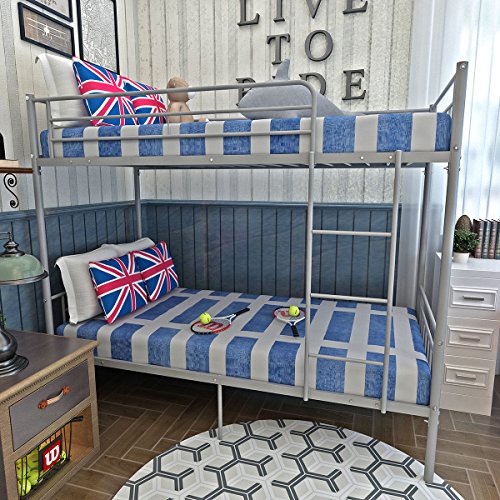
The appropriate size bunk bed is essential to ensure security. It should fit in the room of your child and be in line with the decor so that it is easy to clean. However, it shouldn't, be too high because this could cause injuries if a child falls asleep. It is also advisable to talk with your child's doctor about the bunk bed to make sure it is suitable for their height and age.
It is not enough to make sure that the bunk bed you pick is of the correct size and is comfortable, but also take into account safety features such as the ladder and guardrails. The ladder should be secured and not be positioned close to hazards such as windows or heaters. single bunk beds must be securely fixed and free of any gaps that could pose an entrapment threat. In addition the ladder is not to be used to hang garments or other objects, as this can lead to strangulation.
Bunk beds are a great alternative for kids who wish to share a room but don't have the space for separate single beds. They can help save money and create a fun environment in their bedroom. It is important to keep in mind that bunk beds are more difficult to clean and maintain than single beds due to the fact that they put extra stress on their structure. They also require regular inspections and maintenance to avoid structural problems.
Bunk beds may not be appropriate for every child, particularly those who have mobility issues or other health conditions. They can be challenging to climb and descend and can cause serious injuries if they are not properly maintained. If they are not properly positioned they could cause structural problems and mattress that are sagging. Certain people with disabilities are able to sleep in a single bed, or a sofa bed.
Cost
Bunk beds are a great way to make space in your home, and can also add an element of entertainment. They come in different designs, and can be tailored to your family's needs. You can find bunk bed designs that are compatible with the style of your home, or even a particular theme. The price of a bed is dependent on its dimensions, design and the materials. There is also a range of brands and retailers to pick from, allowing you to find a bed that suits your budget.
Although many people believe that bunk beds are for siblings but they are now becoming popular in homes with just one child. They are a great way to reduce space and are perfect for bedrooms with children. Most major furniture stores sell these beds at a lower cost than single beds. You can choose a simple style or go all out and create a more sophisticated look.
The cost of a bunkbed can vary depending on its size, design and ladder. You can pick from a variety of paint finishes and materials, including wood and metal. You can also choose a bunk bed with built-in shelves to store books and toys. Some bunk beds feature an angled staircase that takes less space than straight stairs. Some bunk beds have safety railings to stop children from falling off while they're sleeping.
Space efficiency and thoughtful design are essential in the design of behavioral health facilities. This can ensure an environment that is safe and comfortable for the patients and their families. This will aid in helping reach clinical goals and ensure a high standard of care. Bunk beds are a great option for both adults and children in the context of behavioral health.
Bunk beds are a great option to maximize vertical space in dorms and shared rooms. They can also free up the floor space to accommodate additional furniture or activities. Additionally, they are excellent for schools or military barracks, where space is limited.